


Agency News
ANA Winners Series: Marcus Thomas's Kevin Delsanter and Natalie Partridge
February 6th 2026
This article was originally published on Little Black Book and is republished here for reference.
Q> What was the creative spark behind SpineScreen? How did the idea of combining sunscreen with scoliosis screening come to life?
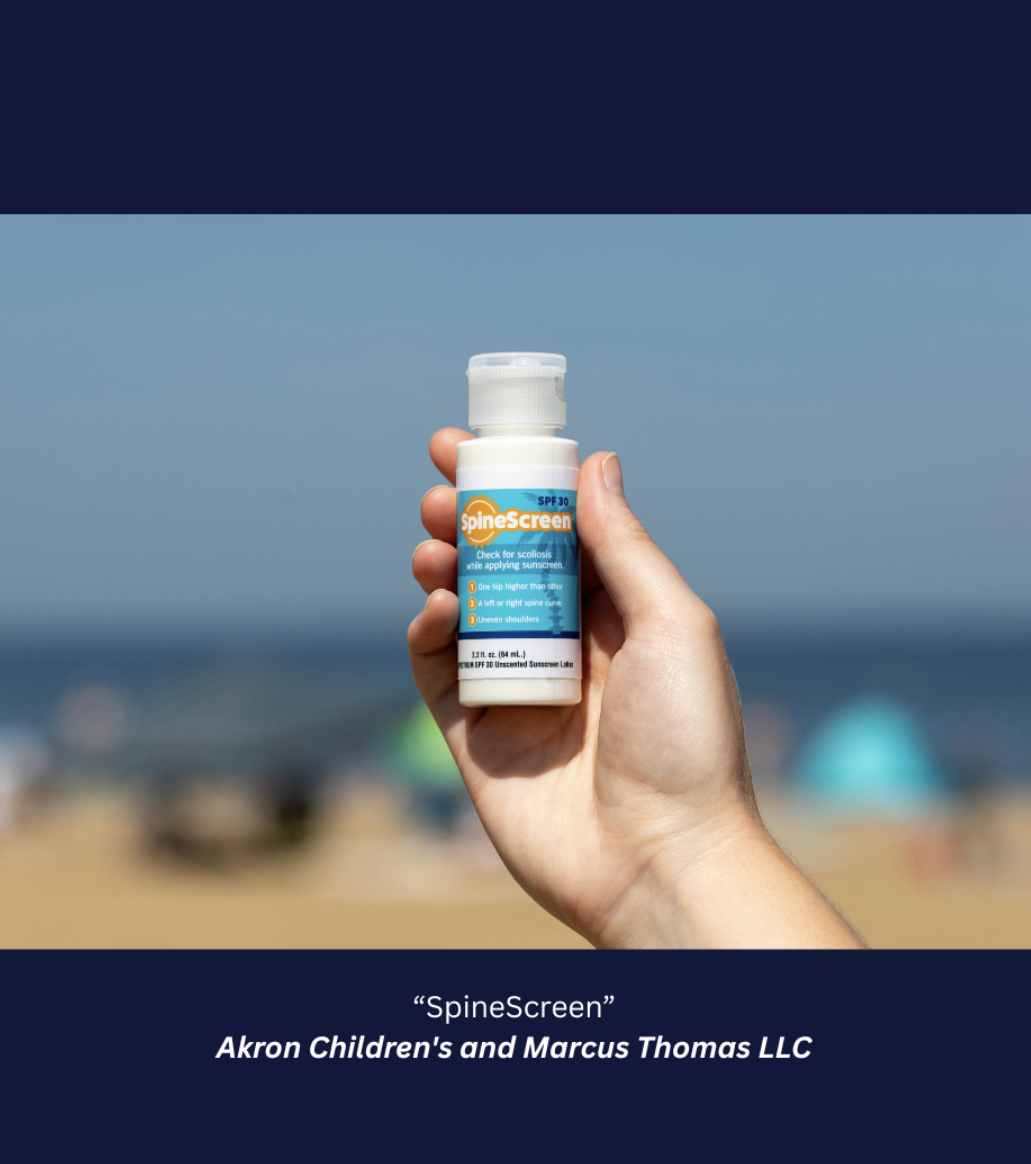
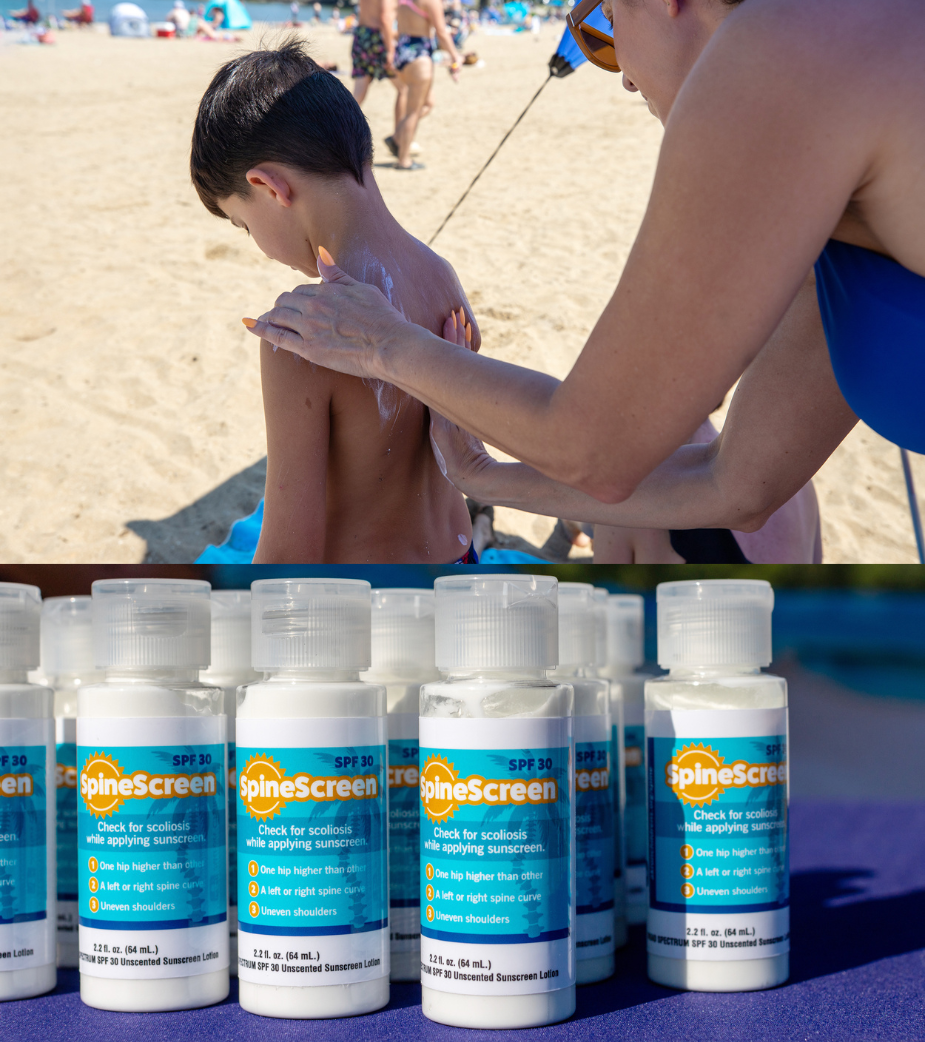
Kevin Delsanter> We were working on an Akron Children's Spine Center campaign – basic digital display banners on sites like WebMD. But we always push to create something that works in the real world too. And we found that school scoliosis screenings were down since COVID-19, so we started thinking about ways parents could detect the signs themselves. We had ideas around dinosaurs with bent spines, but thought pools would be a good place for an out-of-home (OOH) campaign since kids' backs were exposed. Then the "aha" moment came when we connected applying sunscreen with checking for certain signs, like a raised hip or uneven shoulders.
Q> This campaign tackled a serious health issue with a simple, everyday behavior. How did you balance medical sensitivity with creative storytelling?
Kevin Delsanter> We talked with Akron Children's spine experts and providers to make sure the idea had merit – that you could detect early signs of scoliosis while applying sunscreen. Then, we kept the directions simple for parents. We didn't get into any personal scoliosis stories, so it felt a little more like a public service campaign.
Q> Despite a modest budget the campaign achieved national reach. What were the key decisions that helped maximize impact with limited resources?
Natalie Partridge> With limited resources, we focused on the most impactful touchpoints – leaning into digital where parents were most engaged, while creating an experiential moment that met them in a high-traffic setting when they were already in the right mindset. Grounded in deep knowledge of both the market and the audience, we developed content designed for resonance and shareability. Strategic public relations then amplified the story, casting a wider net and extending reach far beyond what paid alone could deliver.
Q> The beach activation was so visually striking. What went into planning that experience?
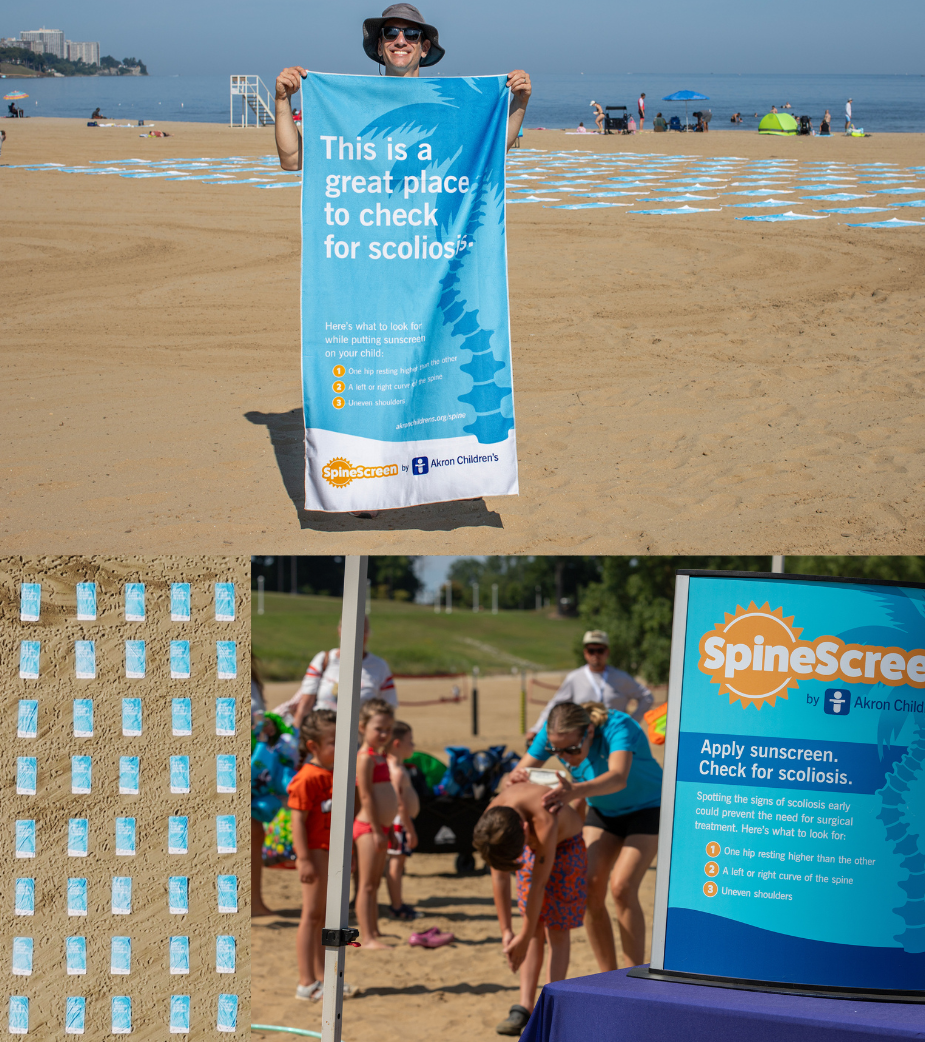
Kevin Delsanter> We wanted something that would stop people in their tracks, and a beach activation made perfect sense; that led to us printing the SpineScreen beach towels. Now, we had a big canvas to display our message, and a branded giveaway all in one. Displaying 100 beach towels in rows created a visual spectacle that drew people in.
Q> What role did earned media and PR play in amplifying the campaign, and how did you craft a story that news outlets wanted to share?
Natalie Partridge>This campaign demonstrated the value of having a tightly knit, integrated team. Earned media carried the campaign beyond paid, adding authenticity and third-party credibility. We simplified a complex medical topic into clear, relatable messaging – shedding light on the fact that many kids may no longer be screened at school – and delivered it in a way that resonated with both parents and media. With the Summer Olympics dominating media headlines during the time of our campaign, we also knew that gaining media attention would be an uphill battle. We cut through by delivering immersive media kits that brought the "beach" experience to journalists' doorsteps and by capturing compelling visuals on-site, then serving them up immediately – making the storytelling as seamless as possible, even if they couldn't be there in person.
Q> You caught nine potential scoliosis cases in just two hours. How did that real-world result shape your perspective on the power of creative healthcare marketing?
Kevin Delsanter> Now, we're creatively looking for ways to help parents learn more about their kids' health. We're asking open-ended questions like, "Can singing a song help diagnose asthma?" Turning behaviors or habits into diagnostic tools is a powerful formula for success.
Q> What were the biggest challenges in executing this idea – from concept to live activation – and how did your team overcome them?
Kevin Delsanter: Our biggest hurdles were budget and a narrow summer window with parents. We streamlined production and focused resources only on the most impactful touchpoints. Close collaboration with Akron Children's allowed us to move quickly and stay aligned every step of the way.
Q> How did you collaborate with Akron Children's to ensure the campaign aligned with their brand values and medical expertise?
Natalie Partridge: Our two-decade-plus partnership with Akron Children's meant we were deeply aligned on their mission and values from the start. We collaborated closely with their incredible client team and providers, who sat alongside us throughout the process to ensure every message was both brand-right and medically accurate. That trust and shared commitment allowed us to create a campaign that was as impactful as it was credible.
Q> What was the most memorable moment for you and your team during the execution of "SpineScreen?"
Kevin Delsanter> The most memorable moment came when our team saw the real-world impact of the campaign as providers identified potential scoliosis cases during the event. Watching families gain awareness in real time underscored the power of our work – this wasn't just a campaign, it was life-changing information delivered at a critical time. That tangible proof of impact made the effort deeply meaningful for everyone involved.
Q> If you could redo or change one thing from the experience, what would it be?
Kevin Delsanter> We would have gone bigger and targeted three or four beaches all in one day. Or we would have launched our beach activation on a holiday like the Fourth of July when we know beaches will be crowded.
Q> What key takeaways were gained from this experience and how will they influence how you approach future work?
Natalie Partridge> The campaign reinforced our foundational belief that delivering real value to families in a way that feels natural and relevant is far more powerful than pushing paid ads alone. By simplifying a complex medical issue into clear, actionable messaging and aligning creative, public relations, media and providers around a single idea, we demonstrated how integration amplifies impact. It reinforced for us that when you meet parents where they are – at the right moment, in the right mindset – you can spark awareness and action that lasts well beyond the campaign.


